
If you’re just starting to plan your home, you’ve probably heard the word “foundation” come up a lot—and for good reason. While it might not be the flashiest part of your house plan, your foundation plays a big role in how your home feels, functions, and performs over time.
Not sure what the difference is between a crawl space and a slab? Wondering if a basement is worth the investment? You’re not alone.
In this post, we’ll walk through five of the most common foundation types you’ll see when browsing house plans—slab, crawl space, daylight basement, walkout basement, and basement—what they are, how they work, and why you might choose one over another. Many house plans on our site come with multiple foundation options, or can be modified to suit your lot and needs.
Most Common Foundation Types
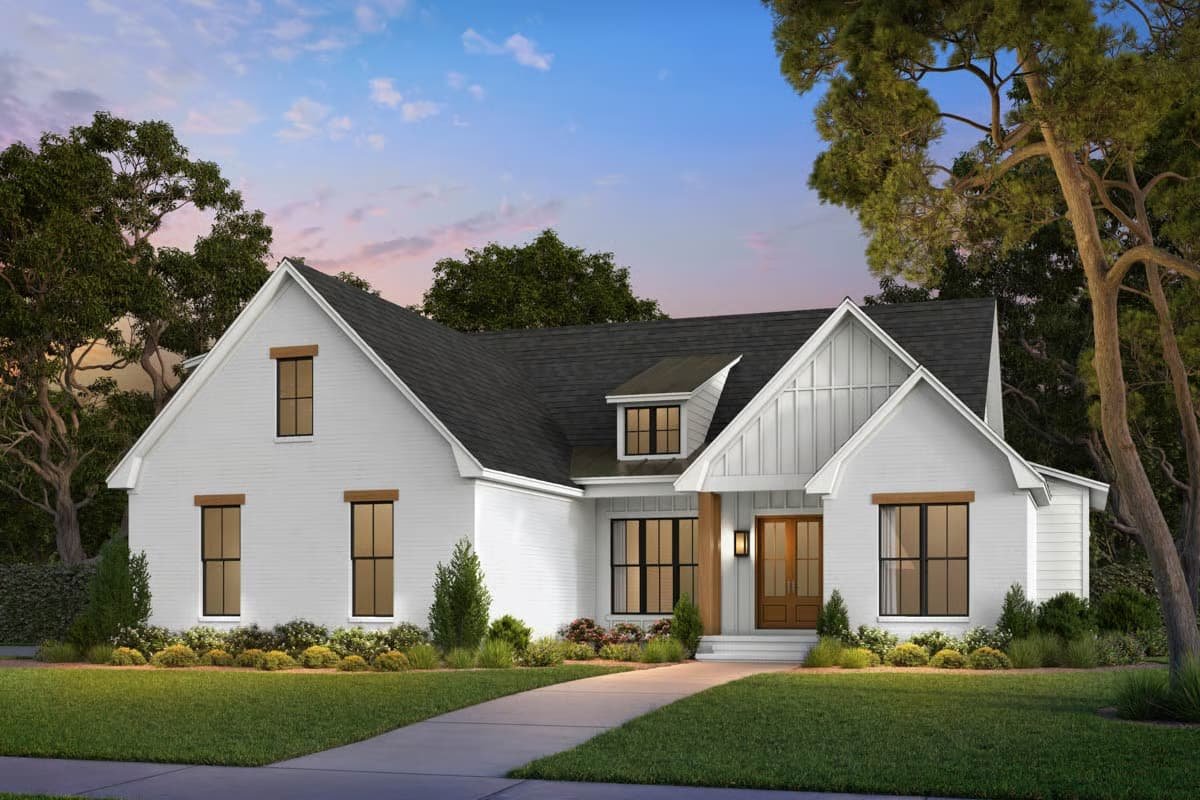
Slab Foundation
A slab foundation is one of the most common and budget-friendly options. It’s a single layer of poured concrete that sits directly on the ground and doubles as your home’s floor.
Pros:
- Low-maintenance and quick to build
- Budget-friendly
- Ideal for warmer climates where ground freezing isn’t a concern
Things to consider:
- 混凝土板浇筑后,水管和电线的检修就更加困难了。
- Needs extra insulation in colder climates to prevent heat loss and cracking
Commonly used in:
Warm climates with stable soil conditions, especially in the South and Southwest.
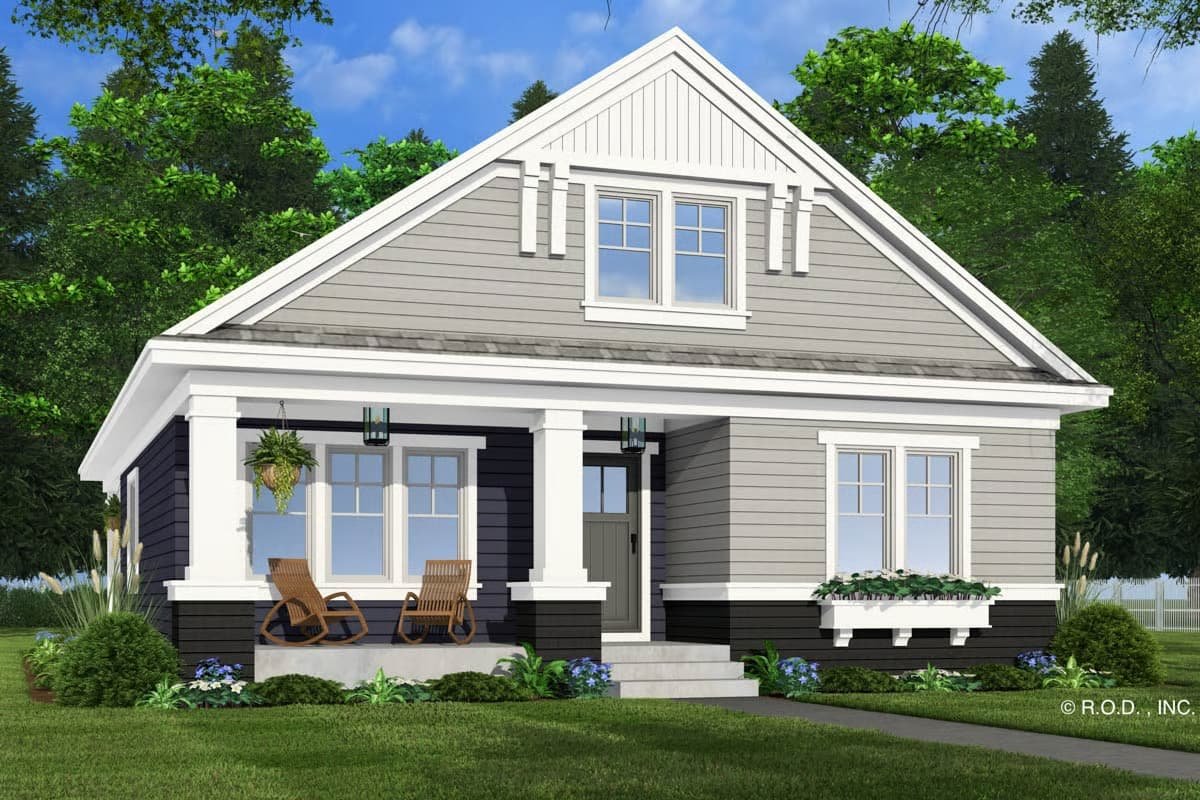
Crawl Space Foundation
A crawl space foundation lifts your home off the ground, with a space underneath that’s usually 18 inches to 4 feet high—just enough to crawl through or access key systems.
Pros:
- Easier access to plumbing, wiring, and HVAC
- Keeps the home elevated above damp or humid ground
- Can improve airflow and prevent moisture buildup
Things to consider:
- Requires proper ventilation and moisture control
- Without good maintenance, can be prone to mold, mildew, or pests
Commonly used in:
Regions with moderate to high humidity, like the Southeast and coastal areas.
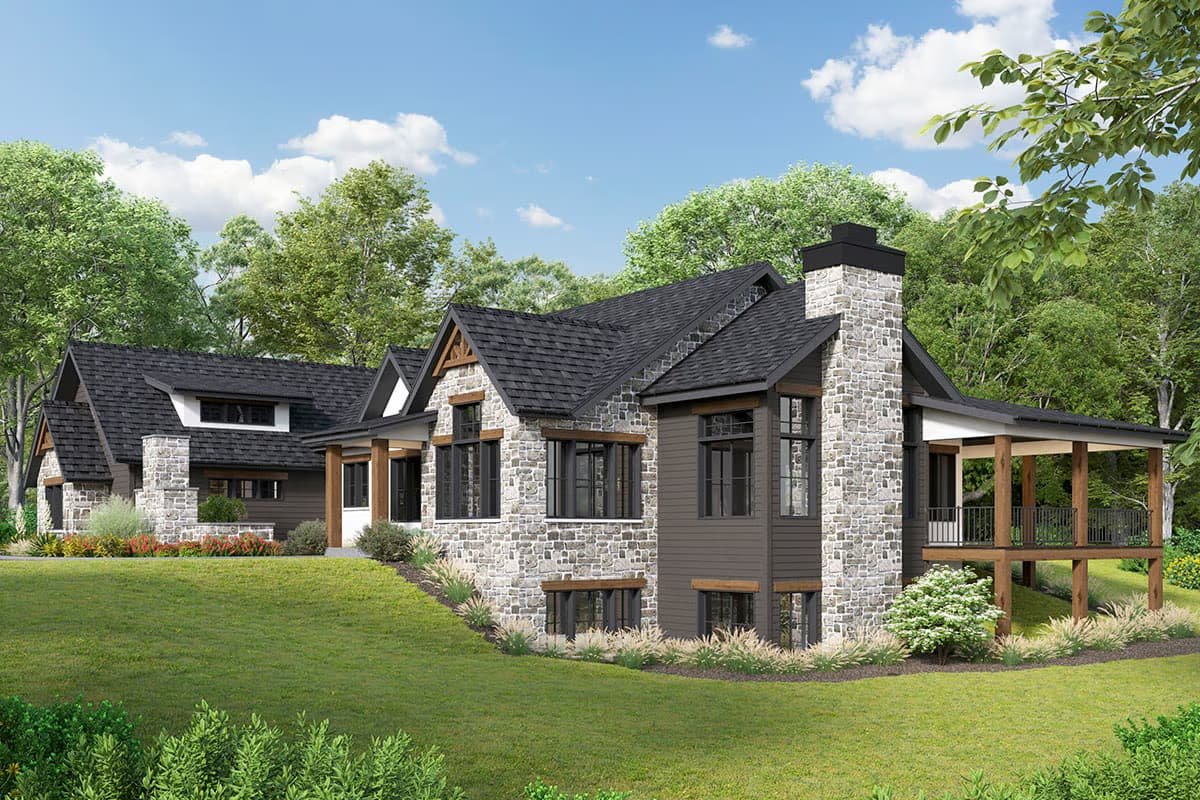
Daylight Basement (Non-Walkout)
A daylight basement is partially underground, with one or more walls exposed above grade to allow natural light through windows. Unlike a walkout, it doesn’t have a door to the outside.
Pros:
- Allows natural light into lower-level rooms
- Great for sloped lots
- Makes basements feel more like living space than storage
- Popular for guest rooms, playrooms, or home offices
Things to consider:
- Requires a naturally sloped lot to expose part of the basement above ground
Commonly used in:
Sloped lots in any climate where light and extra space are a plus.
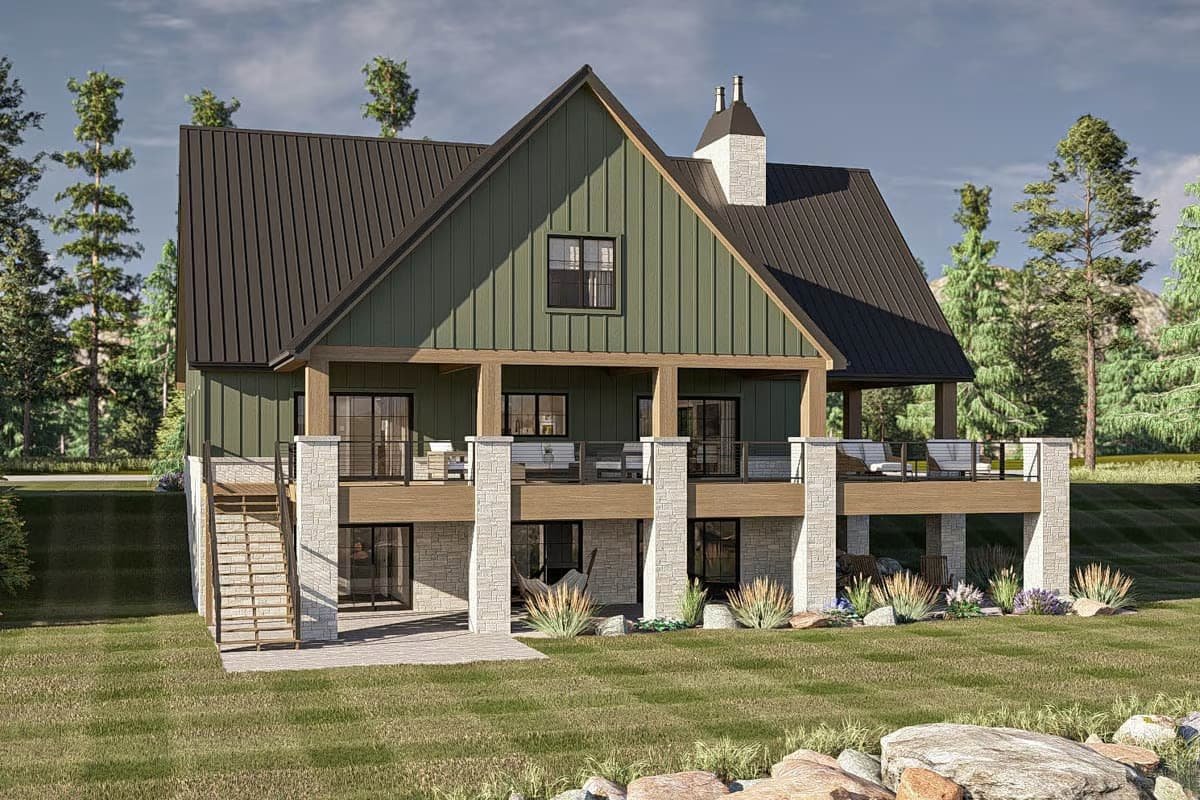
Walkout Basement
A walkout basement is also built into a slope, but it includes a door that opens directly to the outdoors, usually at the back or side of the home.
Pros:
- Easy access to the outdoors from the lower level
- Adds natural light and usable space
- Great for guest suites, game rooms, or even independent living quarters
Things to consider:
- Requires a sloped lot—this option isn’t typically feasible on flat ground
Commonly used in:
山坡地块,需要从地下室直接通往室外。
Basement (Inground)
A basement, sometimes referred to as a full basement, is built entirely below ground and runs the full length of the home. It can be unfinished or finished to add valuable square footage.
Pros:
- Adds a full extra floor of space
- Ideal for storage, rec rooms, guest suites, or future expansion
- Works well on level lots
- Helps insulate and stabilize homes in colder climates
Things to consider:
- Requires waterproofing and good drainage
- May need window wells or bulkhead doors for access and egress
Commonly used in:
Colder climates where deeper foundations are common, like the Midwest and Northeast.
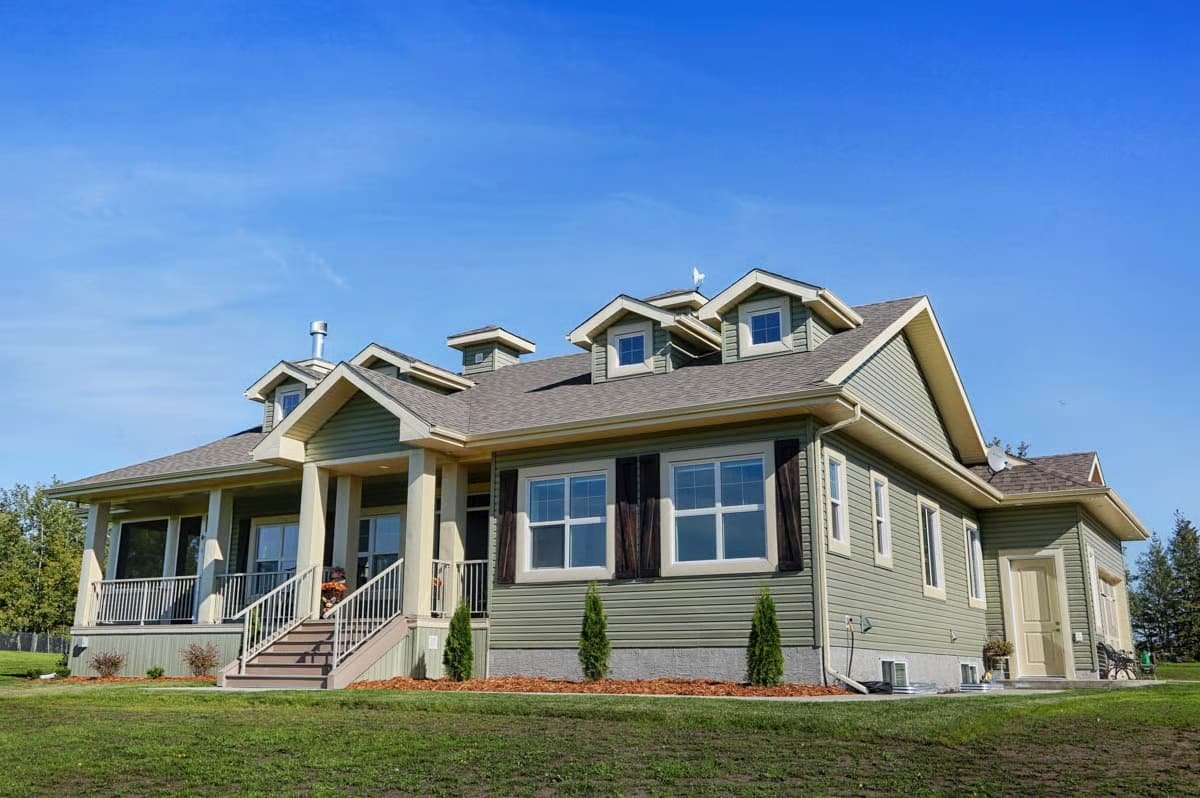
[…] 地块清理完毕后,即可开始挖掘、浇筑地基,并开始地基施工。地基支撑着建筑物,并有助于管理土壤、水分和能量。 最常见的地基类型 包括平板式地基、架空式地基和地下室——每种地基都有其不同的特点。 […]