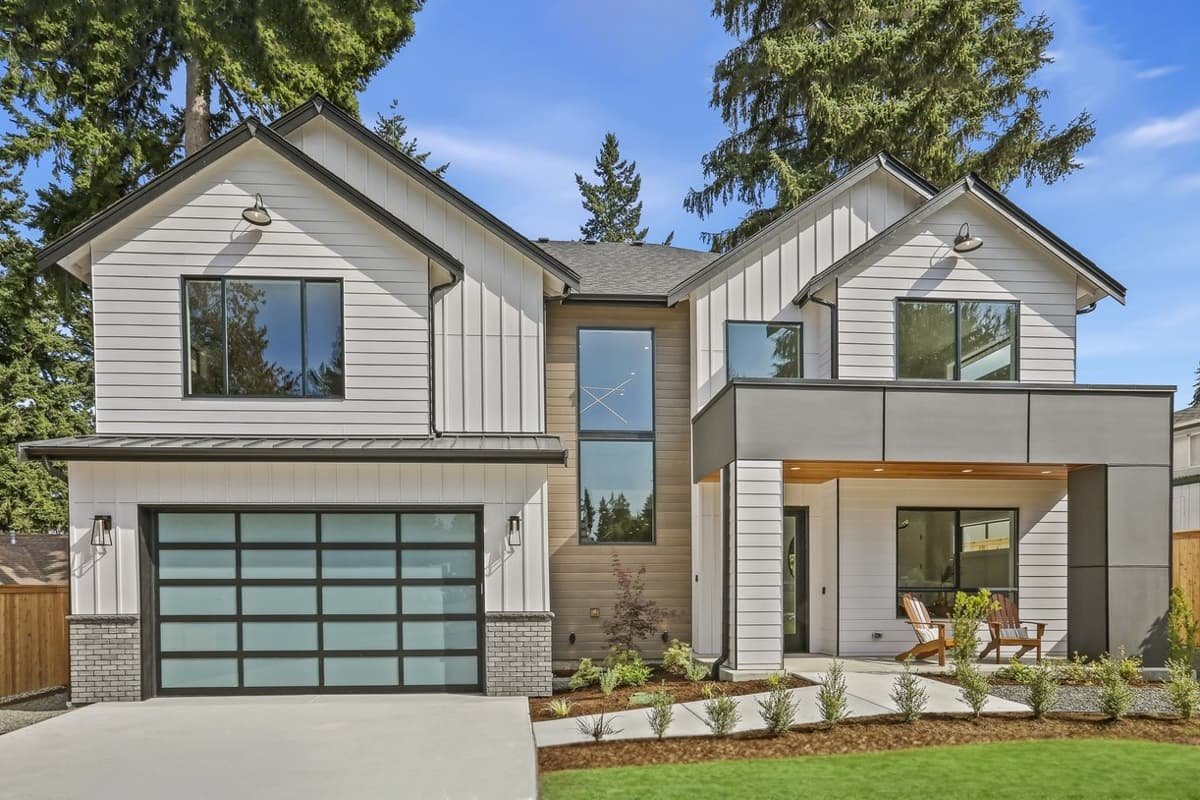
想知道从选定房屋设计方案到入住新家之间都经历了哪些步骤吗?虽然不同地区的建筑要求可能有所不同,但大多数新房的建造流程大同小异。以下是房屋从空地到拎包入住的十个关键步骤。
What to Expect During the Home Building Process
1. Pre-Construction: Surveys, Permits, and Site Prep
Your builder starts with home site preparation: ordering a final survey, running soil tests if needed, and setting erosion control (e.g., silt fences or straw wattles) to keep soil out of drains and neighboring property. This is also when new construction permits are secured—the official green light to begin.
Tip for homeowners: Ask your builder where inspections will happen and how change orders are handled.
2. Site Work & Foundation: Slab, Crawl Space, or Basement
地块清理完毕后,即可开始挖掘、浇筑地基,并开始地基施工。地基支撑着建筑物,并有助于管理土壤、水分和能量。 最常见的地基类型 包括平板式地基、架空式地基和地下室——每种地基都有其不同的特点。
- Slab: A concrete base poured at ground level. Plumbing and electrical sleeves are set before the pour, with rigid foam insulation often required at the slab edge in some regions.
- Crawl Space: A short raised foundation supported by stem walls and piers. Includes a vapor barrier to block ground moisture and an access door. Can be vented or conditioned.
- Basement/Walkout: A deeper foundation that creates usable space below the main floor. Requires waterproofing, drains, and often radon piping to vent soil gases outdoors.
Regional note: Termite treatment/waterproofing may be added here. In cold climates, foundations must extend below frost depth to prevent shifting.
Every build begins with a great plan — have you found yours?
3. House Framing & Sheathing
This stage is the core of the house framing process, when your home’s shape truly comes to life.
The framing creates the skeleton of the home — outlining rooms, supporting floors and ceilings, and forming the roof structure. Once that framework is in place, sheathing (panels fastened to exterior walls, roof, and sometimes floors) is applied, adding rigidity and creating a base for siding and roofing.
Regional note: Many homes use lumber; some areas use concrete block or steel. Coastal wind or seismic zones may require extra strapping, impact-rated windows, or specific nailing patterns.
4. Dry-In: Making the Home Weather-Tight
The dry-in stage seals the exterior shell: roof underlayment and covering are installed, windows and exterior doors are set, and house wrap (WRB) is applied. This weatherproofs the home so interior work can continue—even though wall cavities remain open for rough-ins.
Important: Proper flashing (directs water away from windows, doors, and joints) and WRB installation are critical to prevent leaks.
5. Rough-In: Plumbing, Electrical, and HVAC (MEP)
With the exterior sealed and walls still open, trades install the major systems: plumbing lines, electrical wiring and panels, and HVAC ductwork. Foundation type affects where these systems go:
- Slab: Plumbing is placed before the concrete is poured; HVAC usually runs through ceilings or the attic.
- Crawl Space: Easier access for plumbing and ductwork; mechanical rooms may be located here.
- Basement: Similar to crawl, with mechanical rooms typically located downstairs.
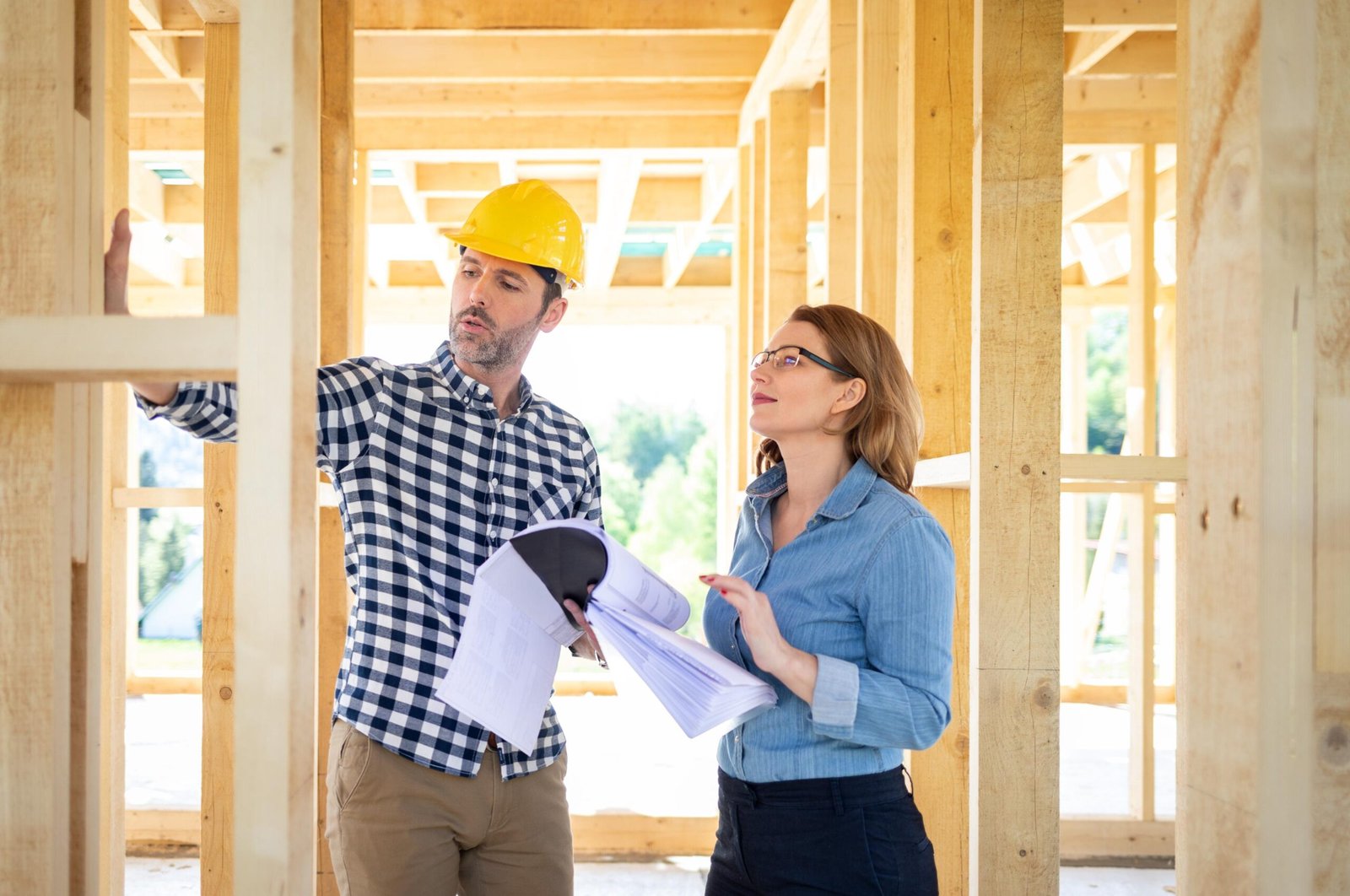
6. Framing Inspection and Frame Walk
Inspectors confirm the framing and rough systems meet code. Only after passing can construction move forward.
Homeowner moment: Many builders also invite homeowners to a frame walk. This is your chance to confirm outlet and switch locations, cabinet blocking, plumbing stub-outs, and even TV or internet wiring before walls are covered.
7. Insulation & Air Sealing
Insulation is added to walls and attics — whether fiberglass batts, blown-in, or spray foam — while foam or caulk seals gaps around windows, pipes, and wires. Together, these steps create a more energy-efficient home, keeping it comfortable and helping control energy use.
Regional note: Some areas require a dedicated insulation inspection. Blower-door and duct-leakage tests may be done now or at final inspection.
8. Drywall Installation
Drywall, or gypsum board, is hung on walls and ceilings, then taped, smoothed, and primed for paint. Once complete, the interior begins to look finished and each room takes shape.
Homeowner tip: Double-check electrical and low-voltage locations before drywall goes up. Moving outlets afterward adds both cost and time.
9. Interior Finishes & Trim-Out
With the exterior complete, attention turns inside. This stage includes trim, interior doors, cabinets, tile, flooring, paint, and countertops — all the details that bring the spaces to life. At the same time, trades return for trim-out, installing lights, faucets, vent covers, and appliances.
Note: Each finish type has its own details to ensure long-term performance, and interior work may happen in overlapping phases depending on the builder’s schedule.
10. Final Inspection, Certificate of Occupancy & Walkthrough
The final inspection ensures the house is safe, systems are working, and all codes are met. Once approved, the local building department issues a Certificate of Occupancy (CO) — the document confirming it’s legal to move in. The last step is the walkthrough, where you and your builder confirm everything is complete.
Before you sign off: Take your time. Open doors and windows, run faucets, test outlets, and review finishes carefully.
Questions to Ask Your Builder
- What inspections will happen, and when?
- How do you handle changes once construction starts?
- When will I have a walkthrough, and how many are included?
- How do you handle punch list items at the end of the build?
- What regional requirements (energy, weather, soil, etc.) will affect my project?
[…] For a high-level overview of steps that come up in most builds (even when parts are built off-site), our Your Guide to the Home Building Process: 10 Steps是一个有用的参考资料。 […]